We are all aware of the strong push towards entrepreneurship, with training introduced through high school and into university.
The reality is, though, that not everyone is, or wants to be an entrepreneur… and if the stats are that 90% of new jobs will come from the MSME sector, then an estimated 7 out of 10 people are destined to become employees rather than employers!
This means that we also need to prepare youth to support and serve these entrepreneurs. Which brings us to the question – what skills and talents does the owner of a small and growing business need and want?
As an employer myself, I always start with attitude, and because of their size, most MSMEs are also looking for people with multiple skills and talents rather than highly specific degrees. The ideal employee is able to solve problems, use IT and AI tools, adapt quickly to changing circumstances and add value to the business from day one. Soft skills such as critical thinking are highly prized, as are communication, teamwork and productivity skills, including time management, quality control and basic project management.
Overlaying these broad behavioural capabilities, the in-demand technical skills include digital & tech skills, AI and automation, financial management, technical and hands-on trade skills (such as plumbing, electrician, caring), and a small but growing market for Green and sustainability skills.
My experience is that an understanding of business enhanced these technical and softer skills, and those with an understanding of entrepreneurship are better citizens and better employees. To put no finer point on it, a failed entrepreneur often makes for a highly valuable employee in a small business.
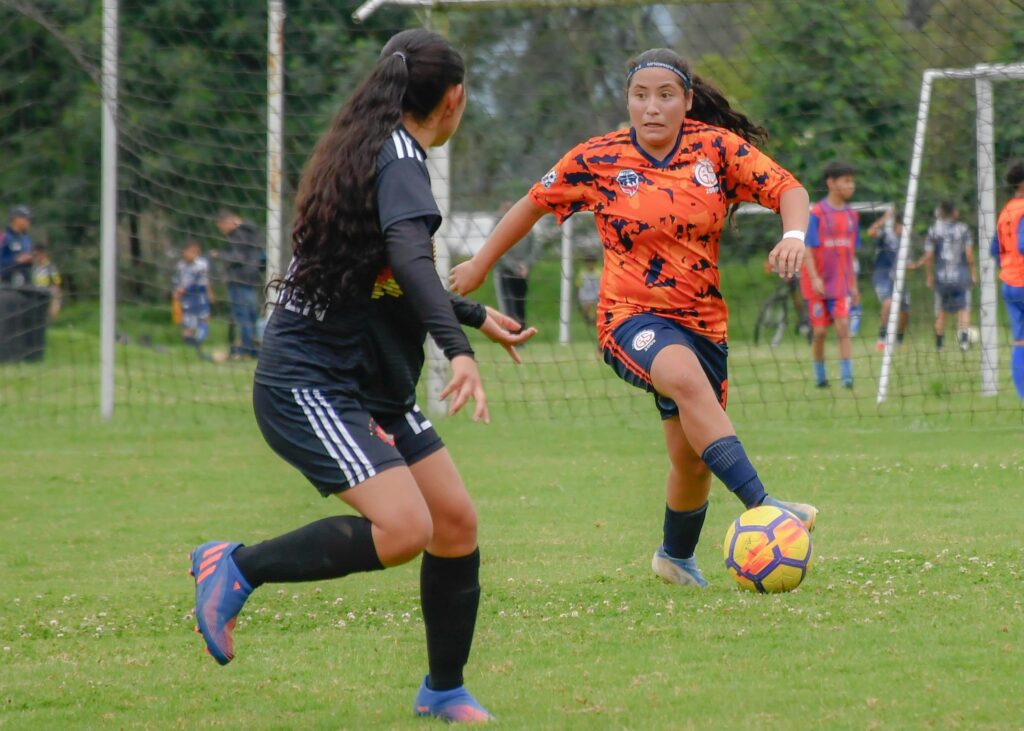
This conversation came to life for me in a conversation with Azi, a young 15 year old South African who shared her concern about the pressure of academics, and if her choice of subjects would set her up for a successful future. We spoke about the importance of a ‘balanced portfolio of skills and experience – including sport, leadership, hobbies and interests. Cultivating this balance will keep life rich and inspiring for her and show future employers that she is multi-talented, good with people, curious and adaptable.
In a world that is rapidly changing, we need to help our children cultivate curiosity, confidence and agility. We need to encourage them to think – so that they can use AI as a tool, not be slaves to it.