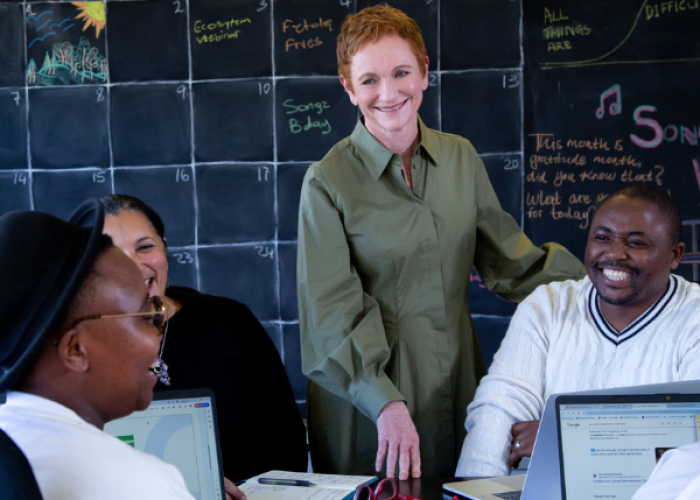
I ran a workshop with the team today that didn’t go as planned. In my mind, it would be an inspirational, mindset-changing process that would lift our stress and replace it with lightness and joy.
It didn’t.
Not because the process was wrong, but because the time was too short and we ended up revealing all our stressors and the things that drain us (the negatives), with not enough time to close the loop and identify positive ways in which we can increase what we love doing more of in our day!
It’s now my task to let go of my own disappointment and reflect on some of the stuff that came up. So perhaps the session was a learning for me that it’s ok not to be perfect, as much as it was for the team to identify the highs and lows in their lives!
What we did learn was how money and money-related matters are a stress for most people. This is certainly a sign of the times and a topic we will address in more detail in the next few weeks.
There was also a strong and shared love in the team for connecting with people and making a difference, which is great, considering our work is all about connecting with entrepreneurs! The yearning to connect is the counter-culture to remote working, online relationships and social media doom-scrolling.
Yes, we all have stressors – many in common and others that differ widely. While a few people are clearly terrified of public speaking, others would do it all day, every day. Some love admin, and many who detest it, preferring constant variety over repetitive actions. No surprises there.
When we bring our work stresses into the open, we give ourselves a chance to find strategies for reducing the energy-draining tasks and increasing those that energise us. We can also balance this by delegating and cross-collaborating across the team.
The biggest reminder for me, though, as we rush into the last quarter of the year, is how important it is to care for ourselves and those around us, and find ways to balance the highs and lows so we can bring more light and joy into our lives!
P.S. You can do it as a personal reflection or run as a 90-minute exercise to help your team identify stressors, build awareness, and create shared practices for balance and productivity.
Here’s how it works (adapt as an individual or group process):
Step 1: Stress Mapping (Individual → Team)
- Write down common causes of stress at work (e.g., deadlines, unclear roles, interruptions).
- Group similar notes together on a shared board.
- Reflect on the causes that are most common and most impactful/ damaging
👉 Outcome: Greater awareness of individual and collective stress triggers
Step 2: Energy Balance Exercise
- List activities or habits that drain their energy vs. those that restore energy (both work-related and personal).
- Create a “Balance Grid” for the team showing drains vs. restorers.
- Reflect on patterns: Are there too many drains in team processes? Where can restorative practices be built in (e.g., better breaks, clear communication norms, focus time)?
👉 Outcome: Understand the need to consciously balance energy for sustained productivity.
Step 3: Stress Reframing
- In pairs, have members share one major stressor.
- The partner helps them reframe it into a potential strength/opportunity (e.g., “Tight deadlines force us to prioritize better”).
- Bring back to the group and share a few examples.
👉 Outcome: Builds resilience and shifts mindset from stress → growth.
Step 4: Positive Action Agreement
- Individually identify 1-2 practical actions you can take to reduce your stress and improve your energy balance
- As a group, agree on 1-3 concrete practices to reduce stress and improve balance (e.g., “no-meeting afternoons,” “daily 10-minute check-ins,” “rotating workload support”).
- Document these agreements and revisit monthly.
👉 Outcome: Shared responsibility for balance and productivity.