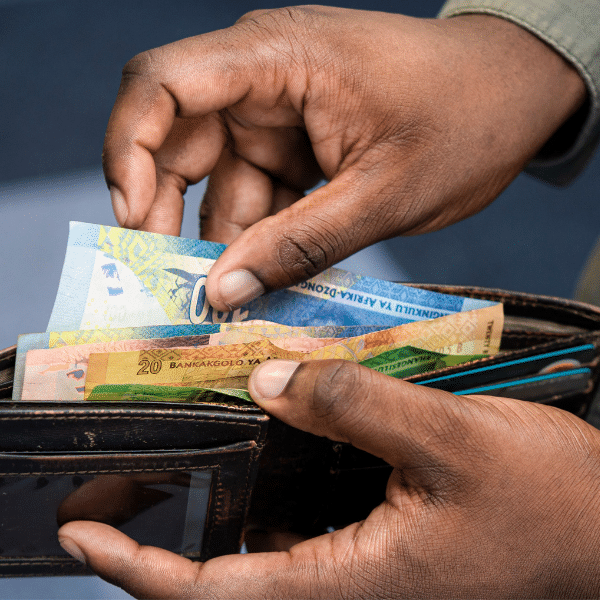
My Uber driver today complained loudly that petrol prices are crushing him and that times are tough. His concern reminded me of the importance of acting swiftly and proactively when money becomes tight.
We have all experienced how a small money problem can quickly become a runaway fire. And a debt problem, like a health problem, is fixable as long as we act quickly, before it becomes too serious.
When it comes to money, we each have three options. We can ignore the problem and hope it goes away, reduce our spending, or increase our income.
Ignoring the money problem is a false strategy. We might kid ourselves that we are escaping the pain by not thinking about it, but in reality we suffer from subconscious stress and worry, not knowing how big the problem really is and when it’s going to bite us. And in the dark, the problem never goes away; it grows.
Reducing spending is always a good first strategy. Simple ways to do this include my own life-saver strategy from when I was a single breadwinner for three children – that of the shopping list! My children quickly learnt that if what they wanted wasn’t on the shopping list, it didn’t get bought and they went without. I had the list to help me with the discipline to ignore the temptation to make unnecessary purchases. My home expenses were reduced by 25% in this way. Other cost cutting solutions are to re-negotiate bond repayments and do with less by cutting up those tempting store cards!
Option three, increasing income combined with reducing spending, is the best strategy. If you are employed, this might mean creating a small side-hustle. For example, turning your love of makeup into a makeup service, or your love of gardening into a seedling business. As a business owner, this might include upselling new products to existing clients, or expanding your customer base into new markets. It might even mean a complete pivot of the business – as so many entrepreneurs did during COVID.
Ah, and we have a fourth and even more important strategy – that of saving to invest. Saving bravely builds an emotional and financial buffer for bad times, and a nest egg for later years.
After years of helping people to create financial freedom through business, it’s clear to me that money is strongly linked to emotion. Our money habits are affected by how we feel. When we are financially secure, we feel safe and act in a mature, mindful way around money. When we are under financial pressure, we suffer high levels of stress and anxiety, which crush our ability to think straight. Under financial pressure, we are more likely to make poor decisions.
Developing the habit of keeping a close eye on our finances allows us to stay in control of our spending so that we remain present in life, not anxious and paralysed by fear of the future.
If you are in, or entering a financial crisis, perhaps now is the day to make the decision to reach out for support, look the problem in the eye, and craft solutions to get you safely through this to the other side. Money management, like muscle building, is a skill that gets better with regular practice.